
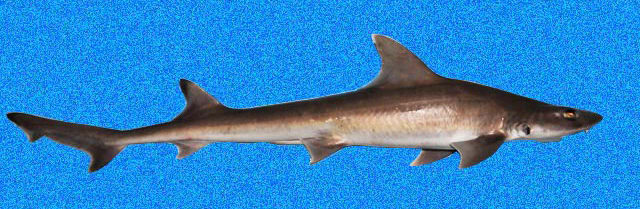
Taxonomy
- Kingdom
- Animalia
- Phylum
- Chordata
- Class
- Chondrichthyes
- Order
- Squaliformes
- Family
- Triakidae
- Genus
- Mustelus
- Species
- norrisi
Habitat
This shark inhabits coastal waters and continental shelves in the western Atlantic, from North Carolina to Brazil, often over sandy or muddy bottoms. It prefers depths up to 200 meters and is commonly found in bays, estuaries, and nearshore areas. Geographic preferences include warmer temperate and tropical waters.
Diet
The Florida smooth-hound primarily feeds on crustaceans like crabs and shrimp, as well as small fish and mollusks. It uses its barbels to detect buried prey and hunts mainly at night on the ocean floor. Feeding behavior involves scavenging and active pursuit in shallow waters.
Behavior
Florida smooth-hounds are typically solitary but may form small groups while foraging. They are nocturnal hunters, resting during the day and actively searching for food at night. These sharks exhibit migratory behavior to follow prey or warmer waters and can be territorial in feeding grounds.
Fishing
The Florida smooth-hound is a targeted species in recreational fishing along the Atlantic and Gulf coasts, particularly in areas like Florida, Georgia, and Texas, where it contributes to conservation efforts through angler license fees that fund habitat restoration and population monitoring. Use bottom fishing techniques with a sturdy rod and reel setup to handle their strong runs in shallow coastal waters, bays, and estuaries over sandy or muddy bottoms up to 200 meters deep; cast bait rigs or use light trolling with circle hooks to minimize injury for catch-and-release. Opt for medium-heavy tackle, such as a 7-9 foot rod with 20-30 lb test line and a reliable reel to manage fish up to 30 pounds; effective baits include live or cut crustaceans like crabs and shrimp, or small fish mimics, as these match their nocturnal feeding habits. The best season is during warmer months from spring through fall in temperate and tropical waters, with peak activity at night when they actively hunt; target dawn or dusk transitions for higher success. Anglers should adhere to state regulations, such as size and bag limits in Florida waters, which serve as effective management tools to sustain healthy populations—always practice catch-and-release to support IUCN Data Deficient status and angler-funded programs that protect these sharks and their habitats.
Conservation Status
Listed as Data Deficient by IUCN.