
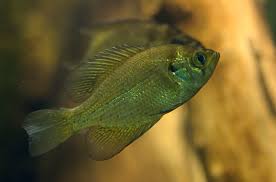
Taxonomy
- Kingdom
- Animalia
- Phylum
- Chordata
- Class
- Actinopterygii
- Order
- Cypriniformes
- Family
- Centrarchidae
- Genus
- Centrarchus
- Species
- macropterus
Habitat
Fliers inhabit slow-moving streams, rivers, and lakes with abundant aquatic vegetation in the southeastern United States, such as the Potomac River drainage and Florida's Gulf Coast. They prefer areas with submerged logs, weeds, or shallow waters for cover and feeding.
Diet
Fliers primarily eat insects, small crustaceans, and occasionally small fish or aquatic larvae. They are opportunistic feeders, often hunting near the surface in shallow waters during dawn and dusk.
Behavior
Fliers are generally solitary or form small groups, being most active during the day in warm waters. They exhibit territorial behavior, especially males guarding nests, and are known to hide among vegetation to avoid threats. They are not particularly migratory and remain in their preferred habitats year-round.
Fishing
The flier, a member of the sunfish family, offers exciting panfishing opportunities in the southeastern United States, particularly in slow-moving streams, rivers, and lakes with abundant aquatic vegetation, such as the Potomac River drainage, Florida's Gulf Coast, and East Texas waterways; target areas with submerged logs, weeds, or shallow waters for the best results. Use light tackle setups for optimal fun and control, including an ultralight rod and reel with 4-6 pound test line, small hooks (size 6-10), and a bobber rig to detect subtle bites; effective baits and lures include live worms, crickets, or small insects to mimic their diet of insects and crustaceans, while small jigs or flies work well for casting near cover. The best seasons are spring and summer when water temperatures exceed 60°F, with peak activity at dawn and dusk in warmer waters, aligning with their feeding and spawning behaviors for higher catch rates. Techniques like bobber fishing or slow-retrieve spinning from the bank or a small boat are highly effective, allowing anglers to precisely target these territorial fish hiding in vegetation. Record sizes include fish up to 12 inches and 1 pound 5 ounces, with no specific IGFA record noted, but these catches highlight the species' appeal for recreational anglers. Conservation-wise, fliers are managed under standard sunfish regulations, such as bag limits and slot sizes in many states, which are effective tools for maintaining healthy populations; practicing catch-and-release helps sustain their stable, Least Concern status as per IUCN, while angler license fees fund habitat restoration and stocking programs that protect these waterways and support broader aquatic conservation efforts.
Conservation Status
Listed as Least Concern by IUCN.