
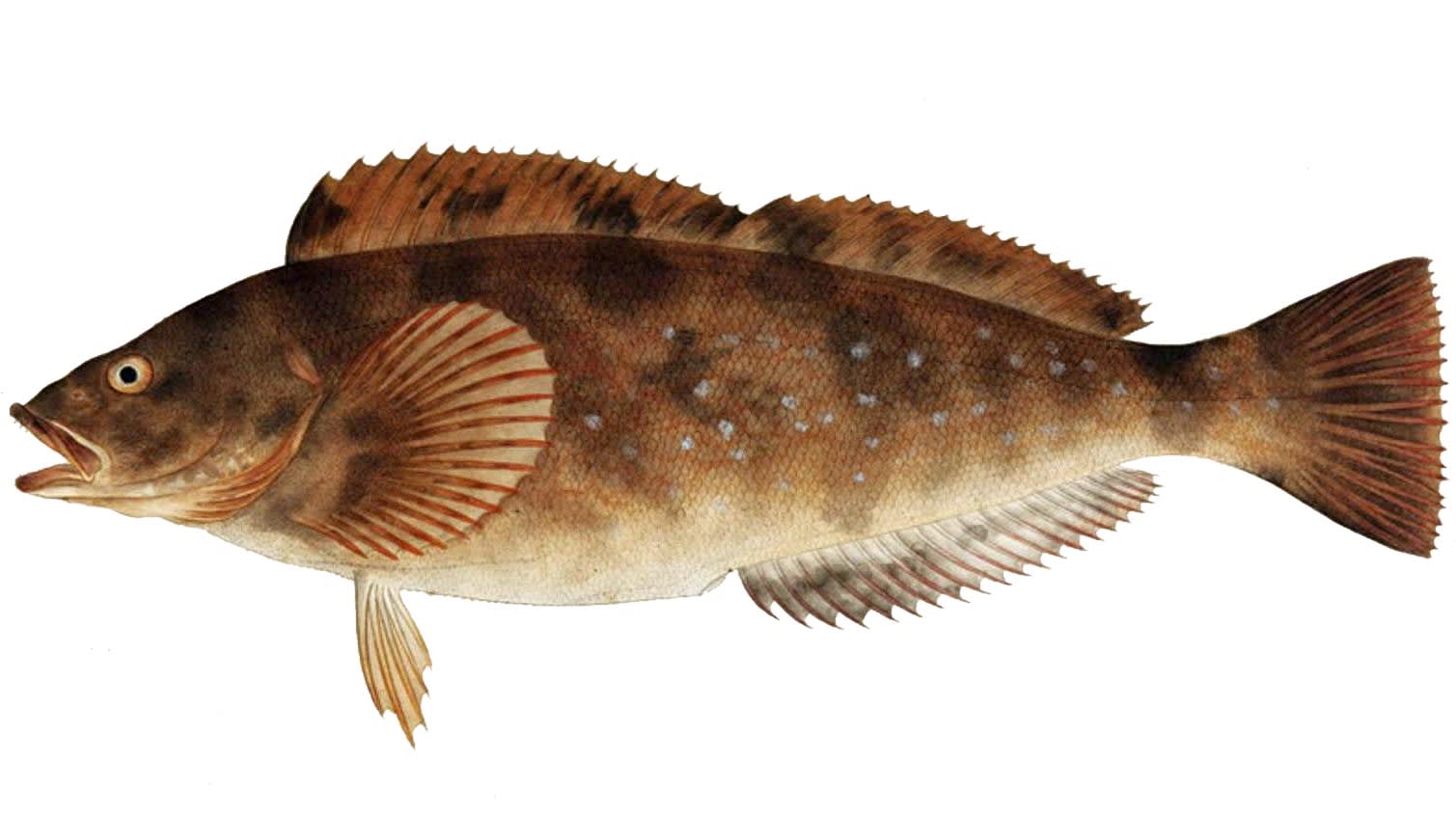
Taxonomy
- Kingdom
- Animalia
- Phylum
- Chordata
- Class
- Actinopterygii
- Order
- Perciformes
- Family
- Hexagrammidae
- Genus
- Hexagrammos
- Species
- otakii
Habitat
Fat greenlings inhabit rocky reefs and coastal waters in the Northwest Pacific, preferring depths from 10 to 200 meters where there are substrates for hiding. They are commonly found in areas with strong currents and abundant algae, such as the Sea of Japan and the Yellow Sea.
Diet
Fat greenlings primarily feed on small crustaceans, mollusks, and occasionally small fish, using their strong jaws to crush hard-shelled prey. They are benthic foragers, actively hunting during the day on the ocean floor. Feeding behavior includes ambushing prey from crevices in rocks.
Behavior
Fat greenlings are generally solitary or found in small groups, exhibiting territorial behavior around rocky habitats to defend feeding areas. They are diurnal, active during the day for foraging, and may hide in crevices to avoid predators. This species shows limited social interactions but can aggregate during spawning seasons.
Fishing
Targeting the fat greenling (Hexagrammos otakii) in the Northwest Pacific, including areas like the Sea of Japan, Yellow Sea, and coasts of Japan and Korea, offers anglers a rewarding challenge on rocky reefs and coastal waters at depths of 10 to 200 meters, where strong currents and abundant algae provide ideal hiding spots; use bottom fishing techniques with a medium-action rod and reel setup spooled with 20-30 pound monofilament line to handle the rocky terrain and potential snags, paired with a 3-6 ounce sinker to keep baits near the ocean floor. Effective baits include fresh shrimp, crabs, or small mollusks to mimic their natural diet, while jigs or soft plastic lures that imitate crustaceans can entice strikes during their daytime foraging; the best season is late spring through summer when they are more active, with prime fishing times during daylight hours when these solitary fish are hunting. Fat greenlings can reach record sizes up to 70 cm (about 28 inches) and 7 pounds 2 ounces, supporting their status as a valued sport fish. Conservation-wise, angler-funded programs through license fees in regions like Japan help protect these stable populations by promoting catch-and-release for smaller individuals and adhering to slot limits where applicable, ensuring healthy stocks and habitat restoration in these vital marine ecosystems.
Conservation Status
Listed as Not Evaluated by IUCN.