
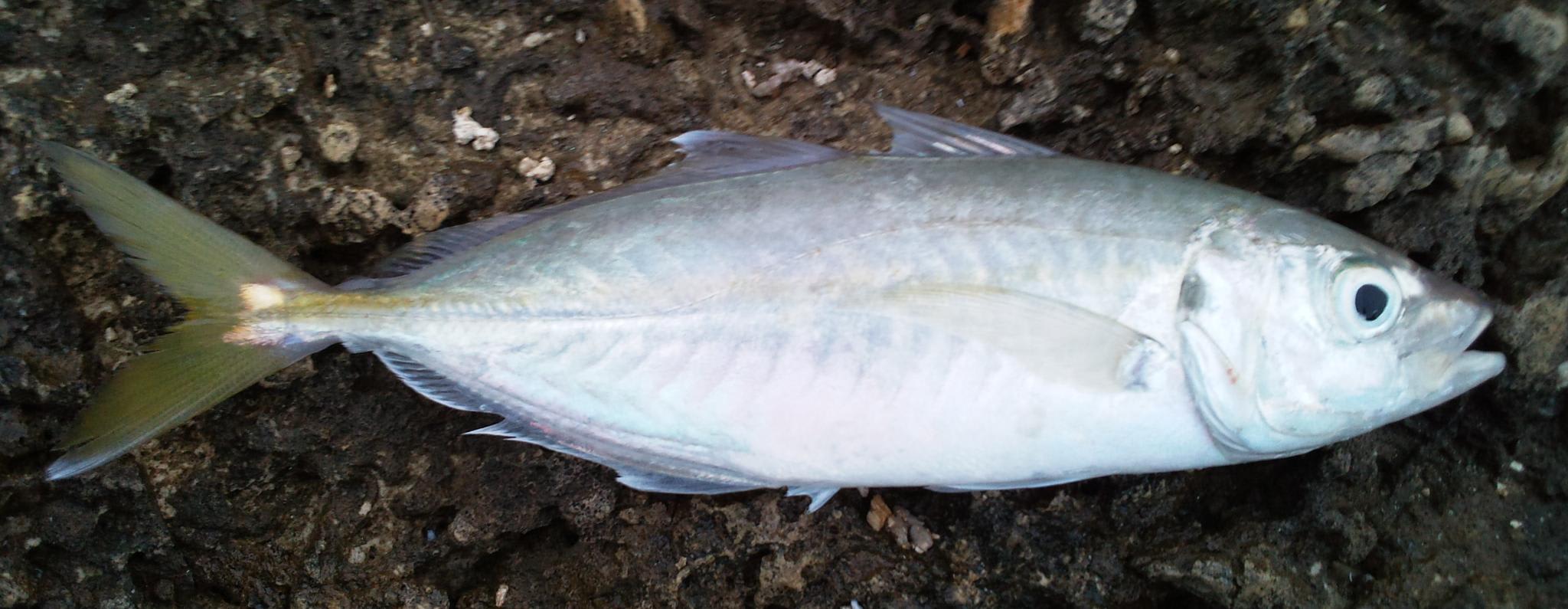
Taxonomy
- Kingdom
- Animalia
- Phylum
- Chordata
- Class
- Actinopterygii
- Order
- Cichliformes
- Family
- Carangidae
- Genus
- Caranx
- Species
- rhonchus
Habitat
False scad inhabit coastal pelagic waters of the eastern Atlantic Ocean, from Portugal to Angola, and the Mediterranean Sea. They prefer depths of 50 to 200 meters over sandy or rocky substrates, often near the continental shelf.
Diet
False scad primarily feed on small fish, crustaceans like shrimp, and cephalopods such as squid. They hunt in schools during daylight hours, using their speed to chase and capture prey in open water.
Behavior
False scad form large schools for protection and feeding, making them highly social and coordinated swimmers. They are diurnal, active during the day, and exhibit seasonal migrations to follow food sources. They show little territorial behavior, focusing instead on group dynamics.
Fishing
Targeting false scad (Caranx rhonchus) offers anglers a chance to engage in sustainable recreational fishing that supports conservation efforts in the eastern Atlantic and Mediterranean regions, where license fees and excise taxes fund habitat protection and population monitoring. Use light tackle for the best results, including a medium-light spinning rod paired with a reel spooled in 10-20 lb monofilament line, and opt for small hooks (size 4-6) to minimize injury during catch-and-release. Effective techniques include trolling with small lures or jigs that mimic their primary prey like shrimp and squid, or drift fishing with live bait such as small fish or crustaceans in open waters; jigging near the continental shelf can also yield strikes due to their schooling behavior. The best season is during warmer months from spring to summer when they are more active and spawning, with peak bites occurring during daylight hours when they hunt in schools. Focus on coastal pelagic habitats at depths of 50 to 200 meters over sandy or rocky substrates, particularly off Portugal, Morocco, or Angola, where targeting these areas helps anglers contribute to regulated fisheries that maintain healthy populations through slot limits and catch-and-release practices. False scad typically reach up to 1 lb 3 oz and 60 cm, with no specific IGFA record noted, but adhering to local regulations ensures sustainable harvests that support stocking programs and protect waterways from overfishing.
Conservation Status
Listed as Least Concern by IUCN.