
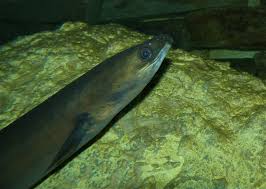
Taxonomy
- Kingdom
- Animalia
- Phylum
- Chordata
- Class
- Actinopterygii
- Order
- Anguilliformes
- Family
- Anguillidae
- Genus
- Anguilla
- Species
- anguilla
Habitat
European eels inhabit freshwater rivers, lakes, and estuaries across Europe and North Africa, but they originate from and return to the Sargasso Sea for spawning. They prefer slow-moving waters with muddy bottoms where they can burrow and hide, and they are adaptable to both freshwater and marine environments during different life stages.
Diet
Juvenile eels, or elvers, feed on small invertebrates like insects and crustaceans, while adults consume fish, frogs, and worms. They are primarily nocturnal hunters, using their keen sense of smell to locate prey in the dark, and they often ambush from hiding spots in riverbeds or vegetation.
Behavior
European eels are solitary and nocturnal, spending the day buried in sediment and becoming active at night to hunt or migrate. They exhibit a catadromous life cycle, migrating thousands of kilometers from freshwater habitats to the Sargasso Sea to spawn, and they can navigate using the Earth's magnetic field. These eels are highly adaptable, surviving in a range of water qualities and showing strong avoidance behaviors when threatened.
Fishing
European eels are a challenging sport fish prized for their strength and elusiveness, supporting conservation through angler-funded programs that protect European waterways and restore habitats. Target them using bottom fishing techniques with baited hooks, as they are nocturnal ambush predators; cast near structures like submerged logs, weeds, or muddy riverbeds and wait for a strong, sudden run. Recommended tackle includes a medium-action rod (7-9 feet) with a sturdy reel spooled in 10-20 lb test line, paired with a size 4-8 hook on a simple ledger rig to handle their serpentine fights; effective baits include nightcrawlers, small live fish, or shrimp, while lures like soft plastics or jigs can mimic their prey in slower waters. The best season is late spring through summer when water temperatures rise above 15°C (59°F), with peak activity at night or dusk in low-light conditions for better strikes. Focus on habitats like slow-moving freshwater rivers, lakes, and estuaries across Europe and North Africa, particularly areas with muddy bottoms where eels burrow during the day; always check local regulations, as many regions implement catch-and-release only or seasonal closures as effective management tools to maintain healthy populations amid their critically endangered status. The IGFA all-tackle world record is 11 pounds 4 ounces, caught in 1971 off the coast of Ireland, highlighting the species' impressive size potential. Angler participation in stocking programs and habitat restoration efforts, funded by fishing licenses, plays a vital role in eel conservation, ensuring sustainable populations for future generations.
Conservation Status
Listed as Critically Endangered by IUCN.