
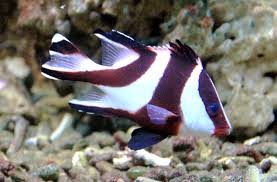
Taxonomy
- Kingdom
- Animalia
- Phylum
- Chordata
- Class
- Actinopterygii
- Order
- Perciformes
- Family
- Lutjanidae
- Genus
- Lutjanus
- Species
- sebae
Habitat
Emperor snappers primarily inhabit coral reefs, rocky substrates, and lagoons in the Indo-Pacific region, from shallow coastal waters to depths of about 100 meters. They prefer areas with abundant structure like caves and overhangs for shelter. This species is commonly found in tropical and subtropical marine environments with clear, warm waters.
Diet
Emperor snappers are carnivorous, feeding mainly on smaller fishes, crustaceans such as shrimps and crabs, and cephalopods like squid. They employ ambush tactics during daylight hours, hiding among reefs to surprise prey. Feeding activity peaks in the morning and late afternoon when prey is more abundant.
Behavior
Emperor snappers are typically solitary or form small groups, displaying territorial behavior by defending specific reef areas. They are diurnal, active during the day for hunting and resting at night in crevices. This species is cautious and tends to flee quickly when approached by potential threats.
Fishing
Anglers targeting the Emperor snapper, a highly regarded sport fish in the Indo-Pacific, should focus on bottom fishing or trolling techniques around coral reefs, rocky substrates, and lagoons at depths up to 100 meters, where these fish ambush prey from caves and overhangs. Use medium to heavy tackle, including a 7- to 9-foot rod with a fast action, a conventional reel spooled with 20-50 lb monofilament or braided line, and strong circle hooks (size 4/0 to 8/0) to minimize injury during catch-and-release; effective baits include live fish, squid, or crabs, while jigs and metal spoons mimic their natural diet of smaller fish and crustaceans for reliable strikes. The best seasons are the warmer months, such as summer, when spawning aggregations form around the full moon, with peak activity in the morning and late afternoon for higher success rates in tropical waters of the Indian and Pacific Oceans, including Australia and nearby territories. The IGFA all-tackle world record is 39 pounds 7 ounces, caught in 1991, highlighting the species' impressive size potential. As a Least Concern species per IUCN, Emperor snappers thrive thanks to angler-supported conservation efforts like license fees funding habitat protection and stocking programs; always follow local regulations, such as slot limits or catch-and-release zones, as effective tools that sustain healthy populations and promote ethical fishing for future generations.
Conservation Status
Listed as Least Concern by IUCN.