
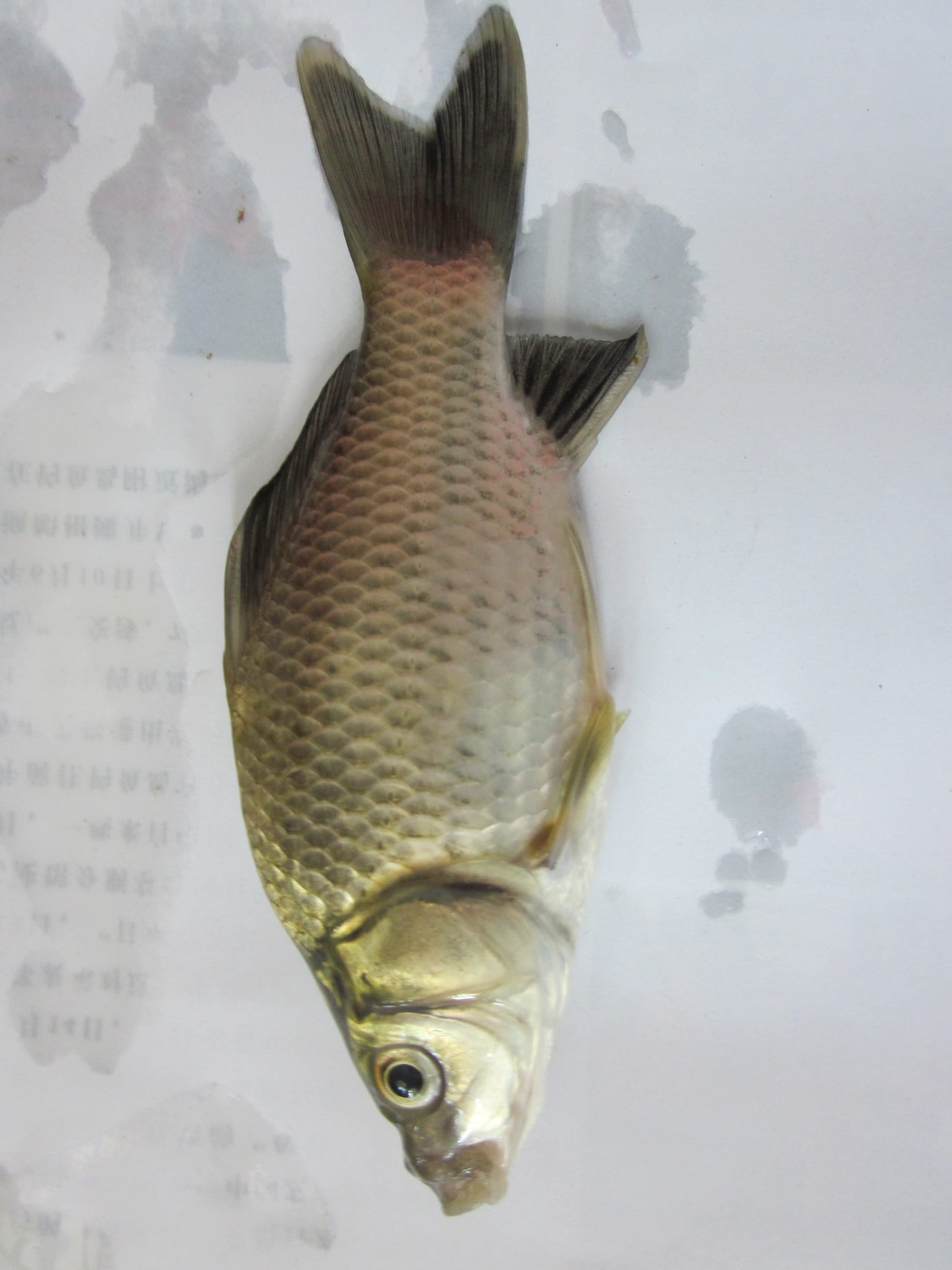
Taxonomy
- Kingdom
- Animalia
- Phylum
- Chordata
- Class
- Actinopterygii
- Order
- Labriformes
- Family
- Cyprinidae
- Genus
- Carassius
- Species
- carassius
Habitat
Crucian carp primarily inhabit still or slow-moving freshwater bodies such as ponds, lakes, and rivers with muddy bottoms and abundant vegetation. They are found in temperate regions of Europe and Asia, often in areas with low oxygen levels that other fish might avoid. These fish thrive in weedy, shallow waters up to a few meters deep.
Diet
Crucian carp are omnivorous, feeding on aquatic plants, algae, insects, and small invertebrates like crustaceans and worms. They forage mainly on the bottom during daylight hours, using their sensitive lips to detect food in murky environments. In winter, their feeding slows as they become less active.
Behavior
Crucian carp are schooling fish that prefer to stay in groups for protection, especially in open waters. They are most active during dawn and dusk, often hiding in vegetation to avoid predators, and exhibit territorial behavior during spawning seasons. These fish can survive in low-oxygen conditions by occasionally surfacing to gulp air.
Fishing
Targeting crucian carp is a rewarding pursuit that supports aquatic conservation through angler-funded license fees and habitat programs, helping maintain healthy populations in Europe's freshwater systems; use bottom fishing or float techniques with a light rod setup, such as a 7-9 foot rod with 4-8 lb test line and a size 8-12 hook, baited with effective options like worms, maggots, sweetcorn, or bread to mimic their omnivorous diet of insects and plants. The best seasons are spring and summer when water temperatures rise above 15°C, with peak activity at dawn and dusk in weedy, shallow waters of ponds, lakes, and slow-moving rivers with muddy bottoms—focus on areas with abundant vegetation where they school for protection. Aim for record-sized fish, with the IGFA all-tackle world record at 4 pounds 6 ounces, though specimens up to 5 pounds 5 ounces have been reported, rewarding patient anglers. Conservation efforts, including catch-and-release practices and slot limits in some regions, are effective management tools that ensure sustainable populations, as evidenced by the species' Least Concern status from the IUCN, bolstered by stocking programs funded by recreational fishing.
Conservation Status
Listed as Least Concern by IUCN.