
Overview
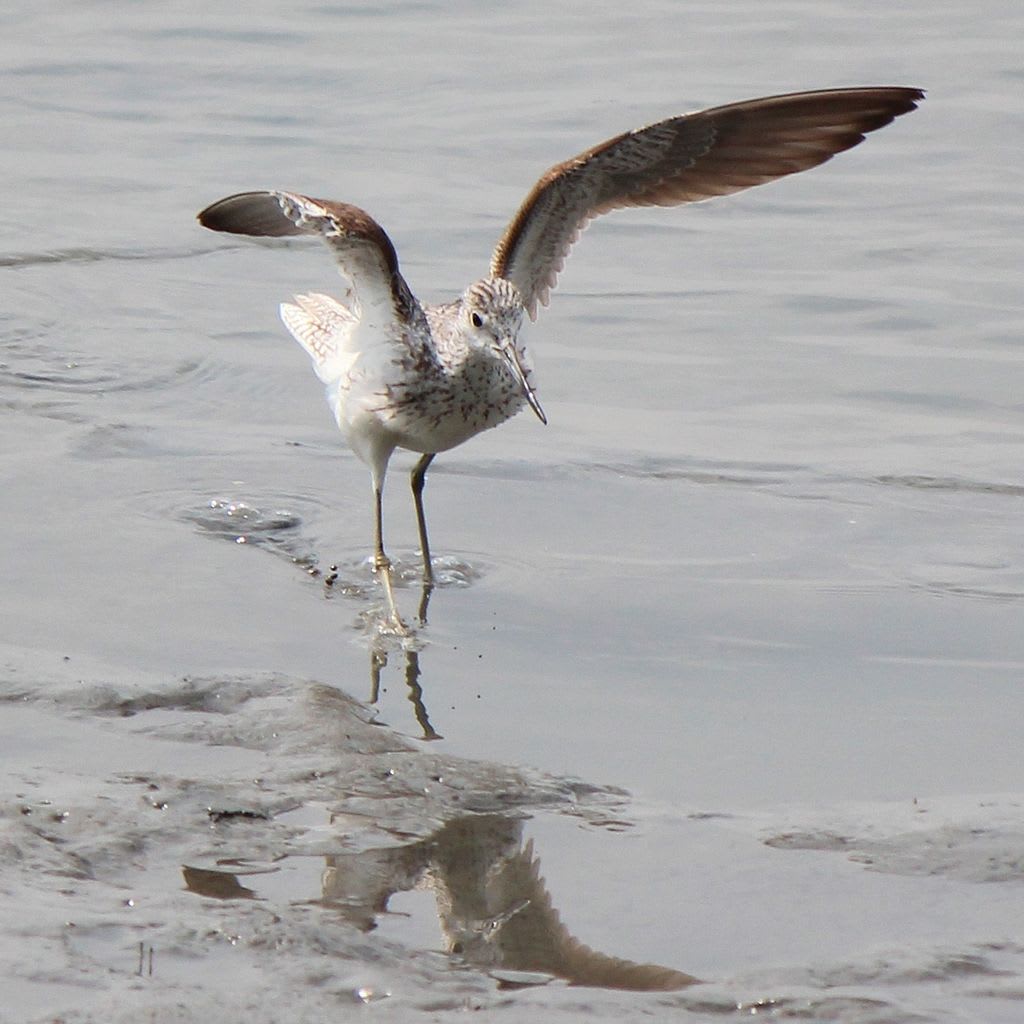
Common greenshanks are brown in breeding plumage, and grey-brown in winter. When in water, they can appear very similar to marsh sandpipers but are distinguished by the shape of the lower bill which gives it an upturned appearance to the bill. They have long greenish legs and a long bill with a grey base. They show a white wedge on the back in flight. They are somewhat larger than the related common redshank.
Taxonomy
- Kingdom
- Animalia
- Phylum
- Chordata
- Class
- Bird
- Family
- Charadriidae
- Genus
- Tringa
- Species
- nebularia
Habitat
Damp marshy habitat.
Diet
Like most waders, they feed on small invertebrates, but will also take small fish and amphibians.
Behavior
It breeds on dry ground near marshy areas, laying about four eggs in a ground scrape. The usual call is a rapid series of three short fluty notes syllabilized as teu-teu-teu.
Hunting
More information is needed.
Conservation Status
Listed as Least Concern by IUCN.