
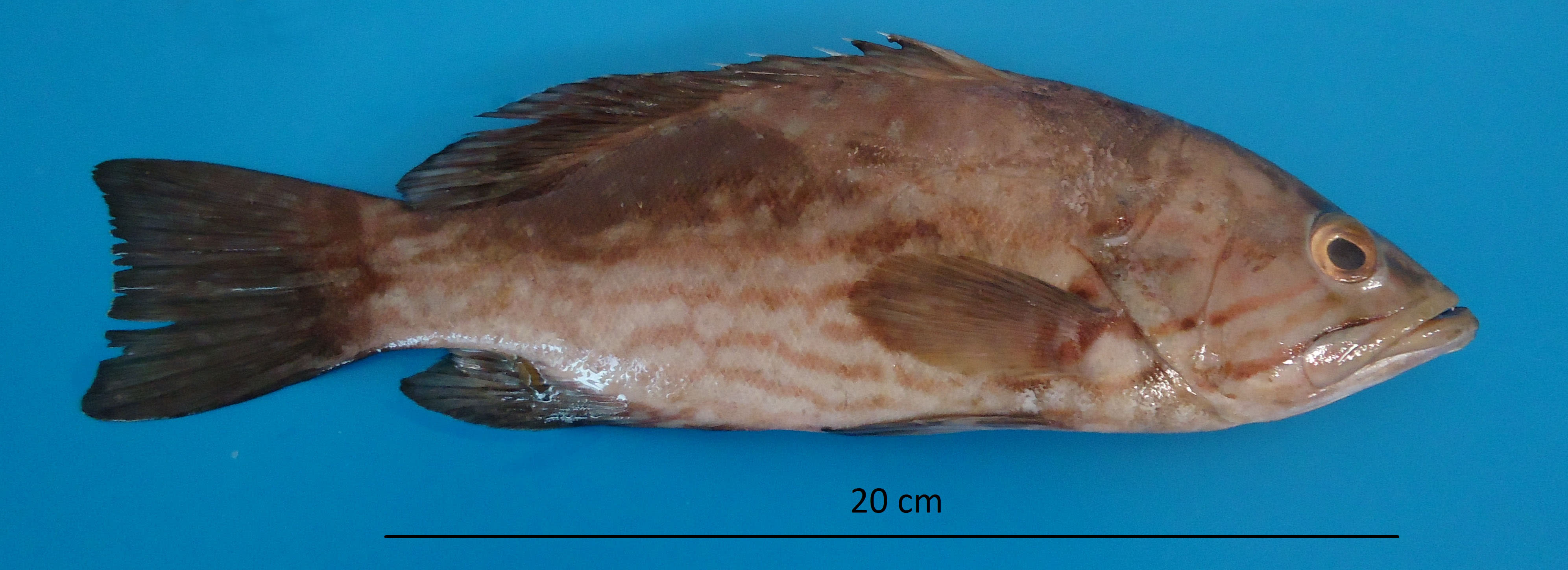
Taxonomy
- Kingdom
- Animalia
- Phylum
- Chordata
- Class
- Actinopterygii
- Order
- Scorpaeniformes
- Family
- Serranidae
- Genus
- Mycteroperca
- Species
- acutirostris
Habitat
Comb groupers inhabit coral reefs, rocky bottoms, and areas with abundant structure in the western Atlantic Ocean, from Bermuda and the Bahamas to Brazil. They prefer depths of 20 to 150 meters, where they can find shelter and ambush prey. These environments provide protection from strong currents and predators.
Diet
Comb groupers primarily feed on smaller fish, crustaceans, and cephalopods like squid. They are ambush predators that lie in wait among reefs and strike quickly, often hunting during the day when visibility is good. Feeding behavior includes swallowing prey whole after a rapid lunge.
Behavior
Comb groupers are generally solitary or found in small groups, exhibiting territorial behavior around their reef habitats. They are ambush predators that remain still to blend in with surroundings before attacking prey, and they are most active during daylight hours. These fish can change color for camouflage or communication, and males may defend spawning sites aggressively.
Fishing
As a popular sport fish in the western Atlantic, comb grouper offers exciting challenges for anglers while supporting conservation through license fees that fund reef habitat protection and population monitoring programs. Target them using bottom fishing or jigging techniques around coral reefs and rocky structures, employing a sturdy rod with 30-50 pound test line, a strong reel, and circle hooks to ensure safe handling and promote catch-and-release practices. Effective baits and lures include live squid, small fish, or crustaceans, as well as jigs and soft plastics that imitate their natural prey for successful strikes. The best seasons are the warmer months from spring to summer during spawning aggregations, with peak activity in the daytime at depths of 20 to 150 meters in areas like the Bahamas, Bermuda, and Brazil, where focusing on ambush spots enhances your chances. Anglers should adhere to local regulations, such as slot limits and seasonal closures, which are effective tools for maintaining stable populations—rated Least Concern by IUCN—and ensuring sustainable fisheries. Record sizes include fish up to 125 cm and weights over 11 pounds, with IGFA records highlighting the thrill of landing these powerful fighters.
Conservation Status
Listed as Least Concern by IUCN.