
Taxonomy
- Kingdom
- Animalia
- Phylum
- Chordata
- Class
- Actinopterygii
- Order
- Salmoniformes
- Family
- Sebastidae
- Genus
- Sebastes
- Species
- nebulosus
Habitat
China rockfish inhabit rocky reefs, kelp forests, and underwater structures in the eastern Pacific Ocean, from Alaska to Baja California. They prefer depths between 10 and 300 meters, where they can find shelter among boulders and crevices. These areas provide ample hiding spots and access to prey.
Diet
China rockfish primarily feed on small fish, crustaceans like shrimp and crabs, and occasionally squid. They are ambush predators that lie in wait among rocks and strike quickly at passing prey, often feeding during daylight hours. Their diet varies seasonally based on prey availability in their habitat.
Behavior
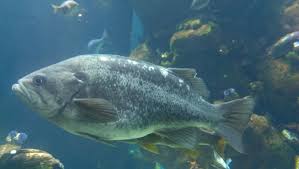
China rockfish are generally solitary or found in small groups, exhibiting territorial behavior by defending specific rocky areas. They are diurnal, active during the day for feeding and resting at night in crevices. These fish can change color slightly for camouflage and are known to be cautious, often fleeing quickly when threatened.
Fishing
Target China rockfish, a popular sport fish in the eastern Pacific from Alaska to Southern California, using effective bottom fishing techniques like jigging or bait fishing to mimic their prey of small fish and crustaceans; cast with medium-heavy rods paired with reels spooled in 20-50 pound test line, and use sturdy hooks sized 1/0 to 4/0 for handling their strong runs in deeper waters. Opt for bait such as live shrimp, crabs, or squid, or artificial lures like metal jigs and soft plastics that imitate small baitfish for the best results. The prime season runs from late spring through fall, with daytime hours being most productive as these diurnal fish actively feed; focus on rocky reefs, kelp forests, and underwater structures in depths of 10 to 300 meters, accessible via boats in areas like the Gulf of Alaska, Kachemak Bay, or around San Miguel and San Nicolas Islands. China rockfish can reach up to 61 cm in length and weights of 4 pounds 1 ounce, with the IGFA all-tackle record at 4 pounds 1 ounce caught in California waters. Conservation efforts, supported by angler license fees that fund habitat restoration and population monitoring, include regulations like bag limits and size slots in many regions, which are proven tools for maintaining stable populations and promoting sustainable fishing practices.
Conservation Status
Listed as Not Evaluated by IUCN.