
Overview
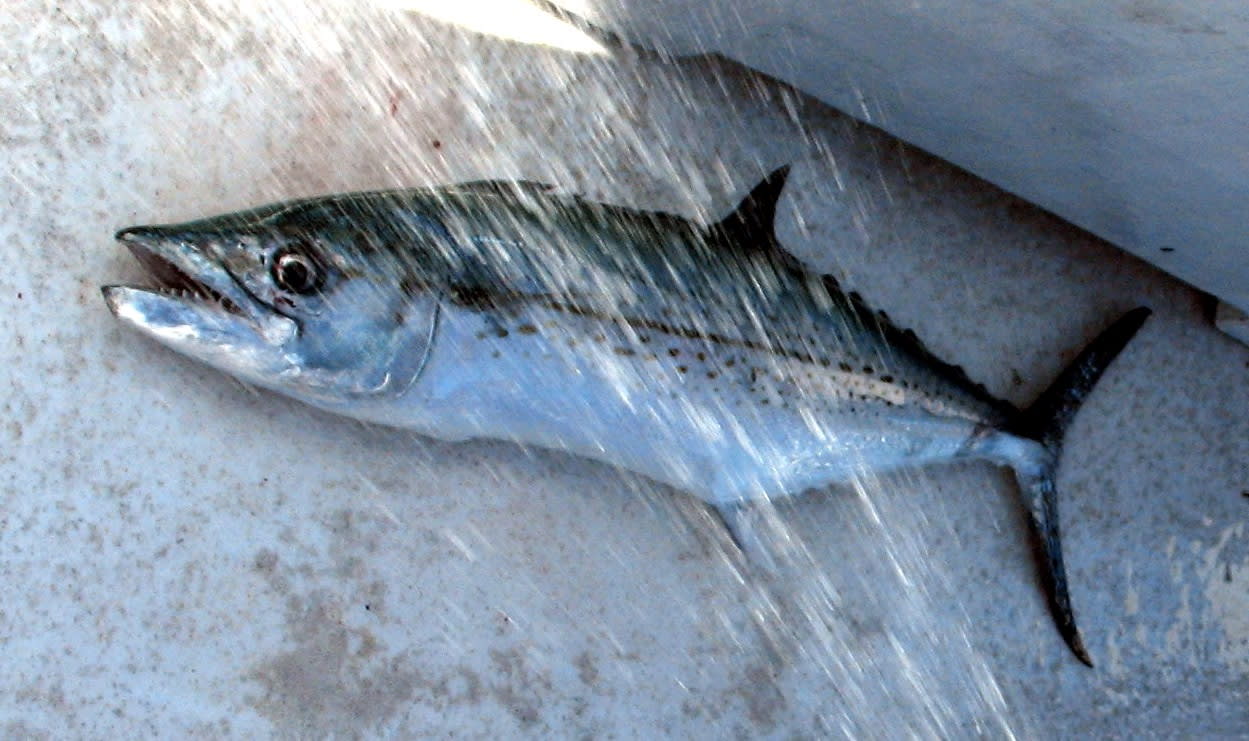
Cero differ from the king mackerel and Spanish mackerel in having a pattern of both yellow spots, yellow orange streaks, and a dark color line running the length of the body, and a lateral line that gradually curves down toward the caudal peduncle. The anterior third of the first dorsal fin is black like the Spanish mackerel. The pectoral fins are covered with small scales like the king mackerel.
Taxonomy
- Kingdom
- Animalia
- Phylum
- Chordata
- Class
- Actinopterygii
- Order
- Perciformes
- Family
- Scombridae
- Genus
- Scomberomorus
- Species
- regalis
Habitat
They feed mainly on small schooling fishes, especially sardines, herrings, pilchards, anchovies and silversides and sometimes squids and shrimps.
Diet
They are an epipelagic species that are most abundant in the clear waters around coral reefs, usually found solitary or in small groups.
Behavior
Cero mackerel are often solitary or form small schools, making them efficient hunters in open waters. They are highly active during the day, pursuing prey at high speeds, and exhibit migratory behavior along coastal areas. These fish are known for their agility and quick responses to schooling baitfish.
Fishing
They are popular game fish and are frequently taken by commercial fishermen. Sometimes, cero are used as rigged bait for larger game fish. Fishing methods are identical for cero and Spanish mackerel. As with any mackerel fishing, fast trolling while looking for baitfish is a good way to find ceros. Common lures include small silver spoons and white jigs. They also hit surface swimming plugs, chuggers, and shallow running plugs. They have sharp teeth so a wire leader is essential. They are considered to be excellent table fare.
Conservation Status
Listed as Least Concern by IUCN.