
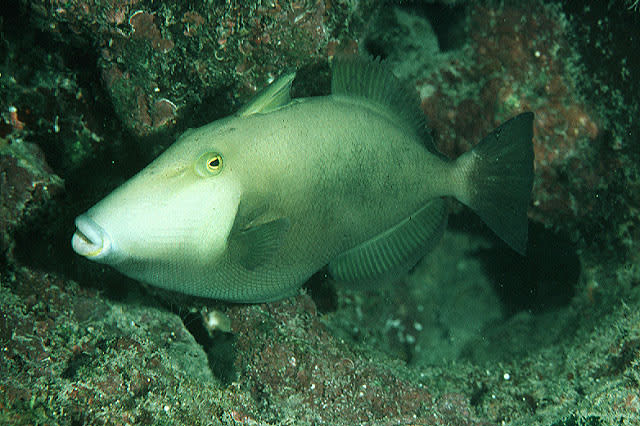
Taxonomy
- Kingdom
- Animalia
- Phylum
- Chordata
- Class
- Actinopterygii
- Order
- Beloniformes
- Family
- Balistidae
- Genus
- Sufflamen
- Species
- fraenatum
Habitat
This species inhabits coral reefs, lagoons, and rocky areas in tropical marine environments. It prefers depths from 10 to 100 feet, often found around structures like corals and rubble in the Indo-Pacific region. Geographic preferences include warm waters near coastlines and islands.
Diet
The bridled triggerfish feeds primarily on benthic invertebrates such as crabs, sea urchins, and mollusks, along with algae and small fish. It uses its powerful jaws to crush hard-shelled prey, foraging actively during the day on the reef. Feeding behavior is opportunistic, taking advantage of available food sources in its territory.
Behavior
Bridled triggerfish are generally solitary or found in pairs, exhibiting territorial behavior by defending feeding areas from intruders. They are diurnal, active during the day and hiding in crevices at night, and can lock their dorsal spine as a defense mechanism. This species is known for its bold and aggressive interactions with other fish, especially when protecting territory.
Fishing
Target the bridled triggerfish in tropical marine environments across the Indo-Pacific, such as coral reefs, lagoons, and rocky areas at depths of 10 to 100 feet, where they defend territories around structures like corals and rubble—focus on spots near Hawaii, American Samoa, Australia, and other listed regions for the best action. Use bottom fishing techniques with light to medium tackle, including a 7- to 9-foot rod, 10- to 20-pound test line, and a sturdy hook to handle their strong jaws; effective baits include live or cut crabs, sea urchins, mollusks, or squid, while lures like jig heads or soft plastics mimicking small fish and invertebrates can entice strikes. The best season is year-round in warm tropical waters, with peak activity during daylight hours when they actively forage, making early morning or late afternoon ideal for higher catch rates. Anglers should aim for record-sized fish, with the species reaching up to 2 pounds 4 ounces and potential IGFA records for larger specimens in these waters—check local records for specifics. As a proven conservation tool, recreational fishing for bridled triggerfish supports aquatic habitat protection through license fees and excise taxes that fund reef restoration, and practices like catch-and-release help maintain stable populations, as indicated by its IUCN Least Concern status, ensuring these fish thrive while anglers enjoy sustainable harvests under effective management tools like size limits in certain areas.
Conservation Status
Listed as Least Concern by IUCN.