
Taxonomy
- Kingdom
- Animalia
- Phylum
- Chordata
- Class
- Actinopterygii
- Order
- Perciformes
- Family
- Sciaenidae
- Genus
- Boesemani
- Species
- microlepis
Habitat
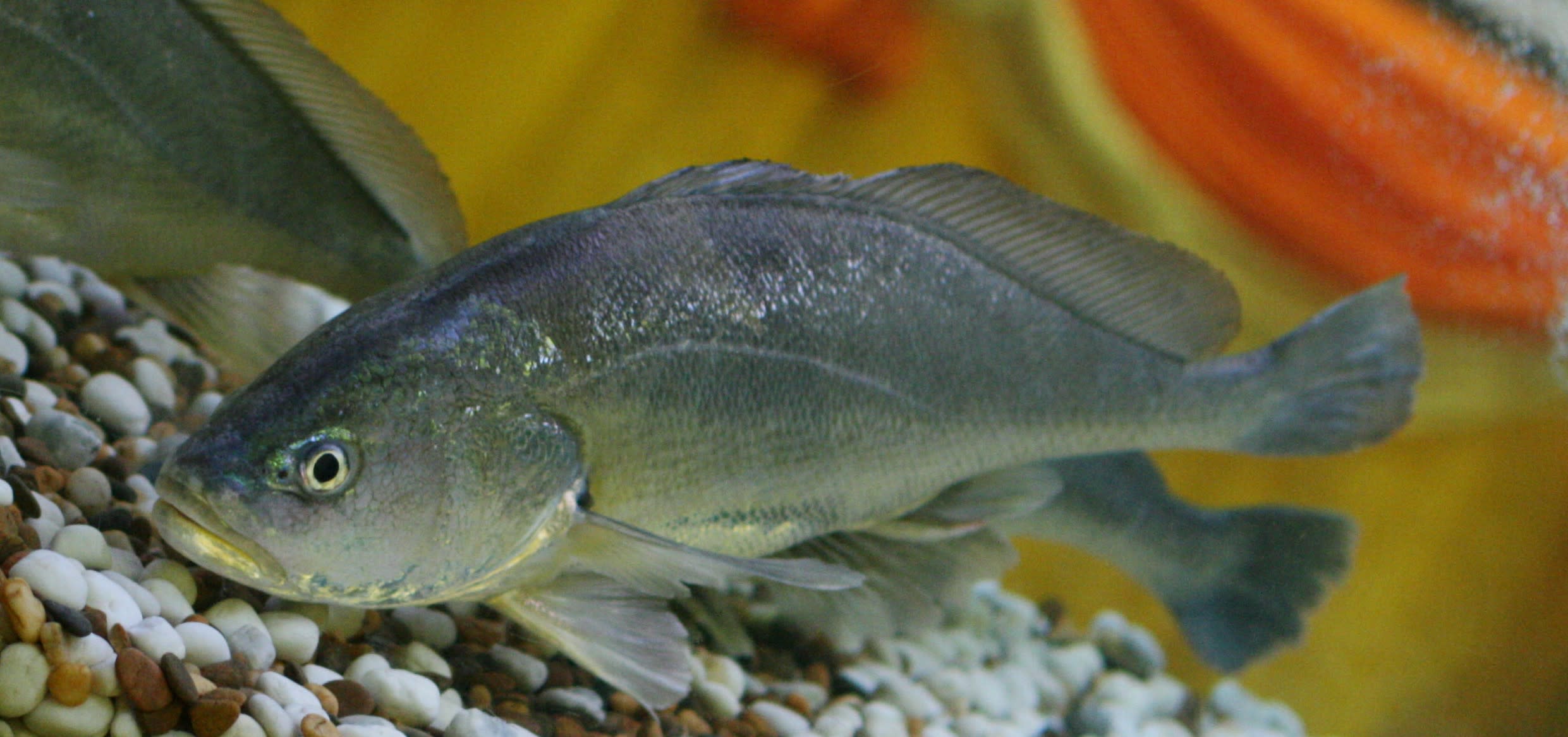
This species primarily inhabits large freshwater rivers, estuaries, and sometimes coastal areas in Southeast Asia, preferring slow-moving waters with sandy or muddy substrates. It is commonly found in the Mekong and Chao Phraya basins, thriving in warm tropical environments with depths up to 20 meters.
Diet
Boeseman croakers feed mainly on small fish, crustaceans like shrimp and crabs, and benthic invertebrates such as worms. They are nocturnal bottom feeders, actively foraging on the riverbed during the night to avoid predators. Their feeding behavior involves sucking up prey from the sediment.
Behavior
Boeseman croakers are generally solitary or form small groups, exhibiting territorial behavior around feeding areas. They are nocturnal, spending days hiding in riverbed structures and becoming active at dusk to hunt. This species is known for producing croaking sounds to communicate, especially during mating or to establish territory.
Fishing
Anglers targeting the Boeseman croaker in Southeast Asia's major river systems like the Mekong, Chao Phraya, and their tributaries in Vietnam, Cambodia, Thailand, Laos, Malaysia, and Indonesia can use effective bottom fishing techniques, such as drifting baits along the riverbed or using stationary rigs to capitalize on their nocturnal feeding habits. Opt for medium-heavy spinning or baitcasting tackle with 20-30 lb test monofilament line, sturdy rods (7-9 feet) for casting distance, and size 2/0 to 4/0 circle hooks to minimize injury during catch-and-release; effective baits and lures include live shrimp, crabs, small fish, or soft plastics that imitate benthic invertebrates, presented near sandy or muddy substrates in slow-moving waters up to 20 meters deep. The best season is during the rainy months from May to August when spawning activity peaks, with prime fishing times at night or dusk for optimal bites in these tropical environments. This species can grow to impressive sizes, with adults reaching up to 15 pounds 6 ounces and lengths of 40-70 cm, though rare individuals hit 1 meter, making it a thrilling catch—always check local regulations, which serve as vital management tools to protect this Near Threatened species through measures like catch limits and habitat restoration programs funded by angler licenses, ensuring sustainable populations and supporting conservation efforts in the region.
Conservation Status
Listed as Near Threatened by IUCN.