
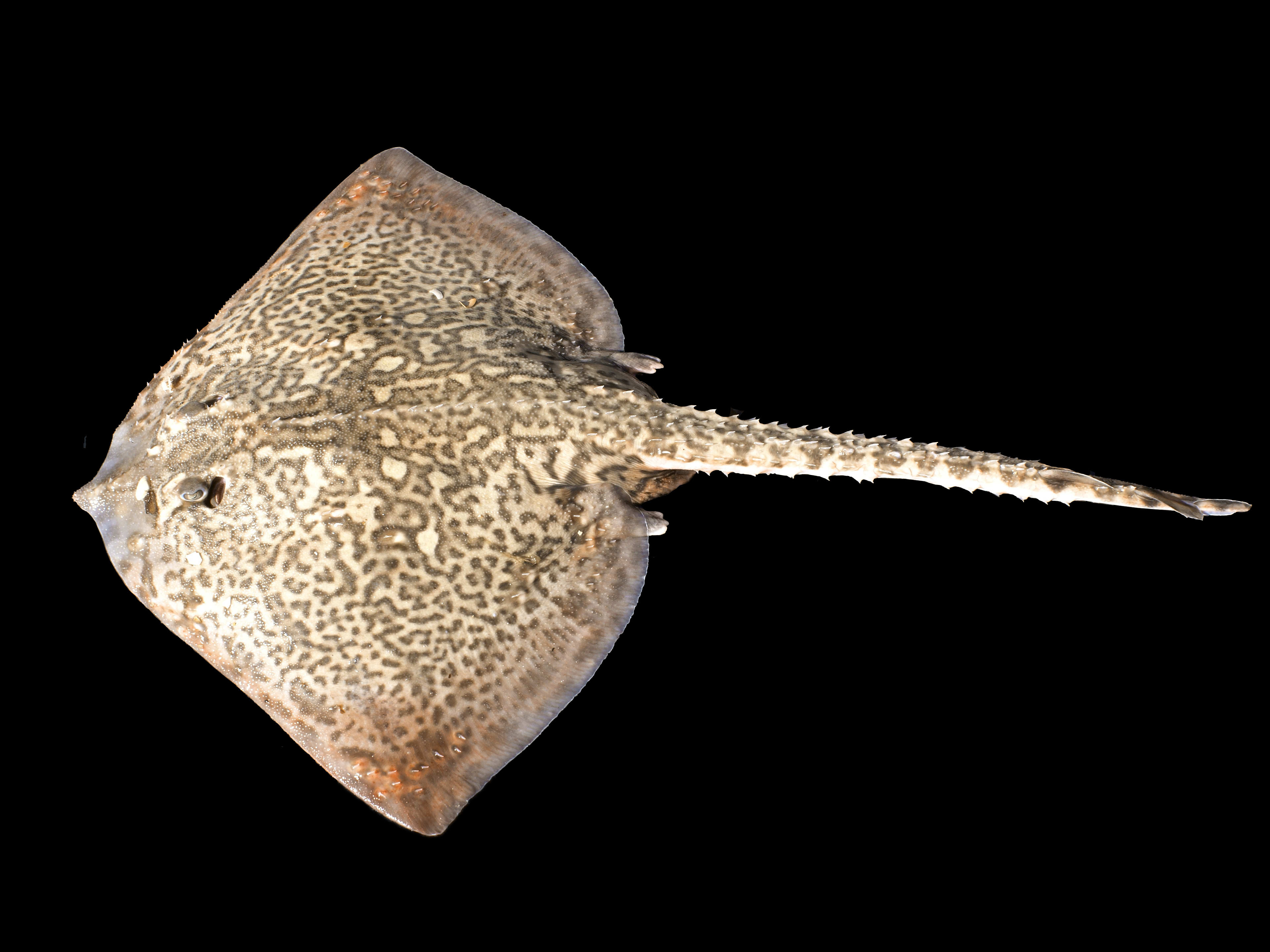
Taxonomy
- Kingdom
- Animalia
- Phylum
- Chordata
- Class
- Chondrichthyes
- Order
- Rajiformes
- Family
- Rajidae
- Genus
- Raja
- Species
- brachyura
Habitat
Blonde rays primarily inhabit sandy, muddy, or gravelly seabeds in coastal and continental shelf waters of the Northeast Atlantic, from shallow depths of 10 meters to around 200 meters. They are commonly found in areas like the English Channel, Irish Sea, and parts of the Mediterranean, preferring temperate waters with good visibility for hunting.
Diet
Blonde rays feed mainly on bottom-dwelling invertebrates such as worms, crabs, shrimp, and mollusks, which they detect and crush with their plate-like teeth. They also consume small fish and squid, typically foraging at night by stirring up the sediment with their fins. Feeding behavior involves ambushing prey on the sea floor.
Behavior
Blonde rays are solitary and benthic, spending much of their time buried in sand or mud for camouflage during the day and becoming more active at night to hunt. They exhibit seasonal migrations to deeper waters in winter and are generally non-territorial, though they may aggregate in areas with abundant food. These rays are not aggressive and will flee from threats by gliding away quickly.
Fishing
As a proven conservation tool, recreational fishing for blonde rays supports aquatic habitat protection through angler-funded programs like license fees and excise taxes, which fund restoration efforts in the Northeast Atlantic. Target blonde rays using bottom fishing techniques with a strong rod and reel setup—opt for a 7-9 foot heavy-action rod paired with a reel spooled with 20-30 lb test line, and use a sinker to keep bait on the sandy or muddy seabeds where they reside, typically at depths of 10 to 200 meters in areas like the English Channel, Irish Sea, or Mediterranean Sea. Effective baits include fresh crabs, shrimp, worms, or small fish to mimic their natural diet, while lures such as soft plastics or jig heads can also entice strikes; cast and wait for the telltale thump before setting the hook firmly. The best seasons are spring and summer when rays are more active and migratory in shallower waters, with optimal times at night or dawn when they forage. The IGFA all-tackle world record for blonde ray stands at 31 pounds 8 ounces, highlighting their impressive size potential. Given their Near Threatened status by the IUCN, adhere to effective management tools like catch-and-release practices, slot limits, and closed seasons in regions such as the UK or France, which help sustain populations and are supported by stocking programs and angler contributions to protect these vital coastal ecosystems.
Conservation Status
Listed as Near Threatened by IUCN.