
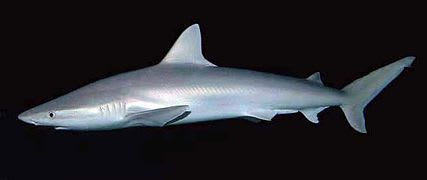
Taxonomy
- Kingdom
- Animalia
- Phylum
- Chordata
- Class
- Chondrichthyes
- Order
- Carcharhiniformes
- Family
- Carcharhinidae
- Genus
- Carcharhinus
- Species
- acronotus
Habitat
The Blacknose shark inhabits coastal waters of the western Atlantic Ocean, from North Carolina to southern Brazil, often over continental and insular shelves. It prefers warm temperate and tropical environments, typically in shallow areas up to 200 meters deep near coral reefs, sandy bottoms, and estuaries.
Diet
It primarily feeds on small bony fishes such as mullets and herrings, as well as squid and octopuses. This opportunistic predator hunts at night, either alone or in small groups, using ambush tactics in coastal waters.
Behavior
Blacknose sharks are generally solitary but may form loose schools, especially during migration or feeding. They are nocturnal hunters that exhibit seasonal movements to warmer waters and are not typically aggressive towards humans. Territorial behavior is minimal, though they may compete for food in shared habitats.
Fishing
Target the Blacknose shark, a thrilling sport fish in regulated coastal fisheries, using effective techniques like trolling with chum trails or bottom fishing with sturdy rigs to handle their powerful runs in shallow waters; opt for heavy spinning or conventional tackle with 20-50 lb test line, strong leaders, and circle hooks to ensure ethical hooksets and reduce injury. Use live bait such as mullet or herring, or fresh cut bait like squid to mimic their natural diet, as these opportunistic predators hunt at night. The best season is during warmer months from spring through fall in the Western Atlantic, particularly around North Carolina to Brazil, with prime times at night when they are most active near coral reefs, sandy bottoms, and estuaries up to 200 meters deep—focus on areas like South Carolina's Little River or Mexico's Yucatán for consistent action. The IGFA all-tackle world record stands at 41 pounds 9 ounces, caught in 2001, showcasing the species' impressive size potential up to 2.5 meters. As a Near Threatened species per IUCN, adhere to special regulations like mandatory catch-and-release in many areas, which are vital management tools supported by angler license fees that fund habitat restoration and population monitoring, ensuring sustainable fisheries and the conservation of these coastal predators through programs that protect Western Atlantic waterways.
Conservation Status
Listed as Near Threatened by IUCN.