
Taxonomy
- Kingdom
- Animalia
- Phylum
- Chordata
- Class
- Actinopterygii
- Order
- Perciformes
- Family
- Embiotocidae
- Genus
- Embiotoca
- Species
- jacksoni
Habitat
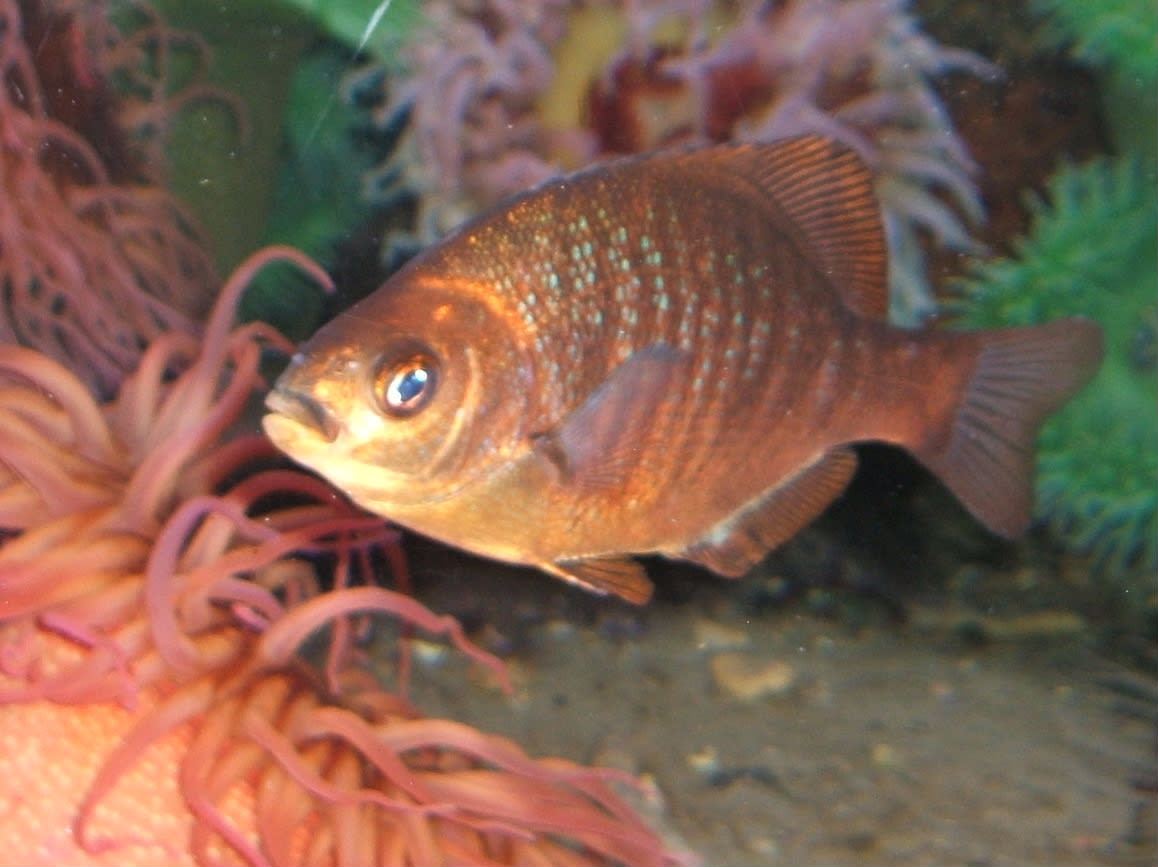
Black surfperch inhabit shallow coastal waters, particularly rocky reefs, kelp forests, and surf zones along the eastern Pacific Ocean from central California to Baja California. They prefer areas with moderate wave action and sandy or gravel substrates, often found in estuaries and nearshore environments up to about 50 feet deep.
Diet
Black surfperch primarily consume small crustaceans, mollusks, and worms, which they forage from the substrate during daylight hours. They use their specialized teeth to crush hard-shelled prey, and occasionally eat algae or other plant material to supplement their diet.
Behavior
Black surfperch are schooling fish that form loose groups in shallow waters, making them more active during the day when they forage for food. They exhibit territorial behavior around nesting sites, with males aggressively defending areas during breeding season. These fish are adaptable and can quickly evade threats by darting into crevices or seaweed.
Fishing
Black surfperch are a favored sport fish along the California coast, providing anglers with thrilling light-tackle battles that fund conservation through license fees and habitat restoration programs. Employ effective techniques like bottom fishing or surf casting from beaches and piers, using a light spinning rod (7-9 feet) paired with 6-12 lb test line, a sensitive reel, and size 4-8 hooks to handle their strong runs. For bait and lures, go with natural options such as sand crabs, bloodworms, or shrimp, or use small jigs and soft plastics that mimic crustaceans for a more dynamic presentation. The prime seasons are spring and summer, coinciding with their breeding activity, when fishing is best during daylight hours for active feeding. Target them in shallow coastal habitats like rocky reefs, kelp forests, and surf zones up to 50 feet deep, focusing on areas with moderate wave action and sandy substrates for the highest success. The IGFA all-tackle world record stands at 1 pound 4 ounces, underscoring their potential for memorable catches. California's regulations, including a daily bag limit of 10 fish, serve as smart management tools to maintain healthy populations and support angler-funded initiatives that protect these vital marine ecosystems through stocking and habitat preservation.
Conservation Status
Listed as Not Evaluated by IUCN.