
Overview
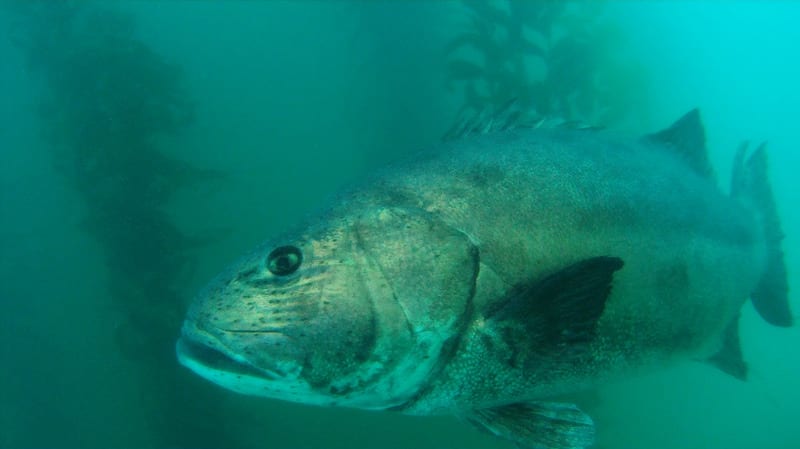
The tail or caudal fin is rounded, and the top ray of the tail fin is typically very elongated in larger specimens. The dorsal fin is marked by several oblique, white spots arranged into stripes, and there is a large dark spot on the last dorsal spine. Large males of the species are sometimes known as “humpbacks” because of the visible rise or hump just behind their heads.
Taxonomy
- Kingdom
- Animalia
- Phylum
- Chordata
- Class
- Actinopterygii
- Order
- Scorpaeniformes
- Family
- Serranidae
- Genus
- Centropristis
- Species
- striata
Habitat
Wrecks, Reefs, Piers, Breakwaters, Over Beds of Shell, Coral, Rock.
Diet
Shrimp, Squid, Crabs, Small Fish, worms, clams, and whatever else is avlaible.
Behavior
Black sea bass are protogynous hermaphrodites, which mean they start life as a female and when they reach 9-13 inches (2 - 5 years of age) they change sex to become males. This change occurs when the fish reaches maturity between nine and 13 inches long and two and five years old. Following this transition, males will either become the dominant male or a subordinate male. Dominant males tend to grow larger than subordinates and will turn bluer in color as well as develop a bright blue hump on their heads during spawning season. The southern stock begins spawning first and can start spawning as early February – with peak spawning occurring between March and May. Spawning events progress northward during the spring and summer with peak spawning for the northern stock occurring between May and June.
Fishing
The best fishing is in depths of 6 to 20 fathoms (1 fathom=aprox. 6 ft.) from May to June and from November to December, though they can be caught all year round. Once hooked, they put a strong exciting fight until they are netted.The action is fast and vigorous, and in spite of its small size, it is very much a game fish. Most are caught from anchored or drifting boats by bottom fishing with baits or by jigging with small metal jigs. Sometimes caught from docks, piers, or the shore. Baits include small fishes, shrimp, squid, crabs, worms, clams and mackerel jigs. There white firm flesh make them excellent eating. The world record catch for the black sea bass is 4.65 kg (10 lb 4 oz), caught Virginia Beach, Virginia, USA 01-Jan-2000, by Allan Paschall.
Conservation Status
Listed as Least Concern by IUCN.