
Taxonomy
- Kingdom
- Animalia
- Phylum
- Chordata
- Class
- Actinopterygii
- Order
- Siluriformes
- Family
- Serrasalmidae
- Genus
- Piaractus
- Species
- brachypomus
Habitat
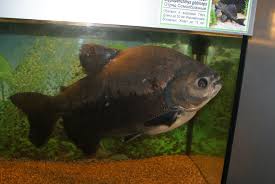
Black pacu primarily inhabit large rivers, floodplains, and lakes in the Amazon and Orinoco River basins of South America. They prefer warm, freshwater environments with slow-moving waters, abundant vegetation, and submerged structures for cover. These fish are adaptable but thrive in areas with seasonal flooding that provides access to flooded forests.
Diet
Black pacu are mainly herbivorous, feeding on fruits, seeds, nuts, and aquatic plants that fall into the water. They use their strong, molar-like teeth to crush hard items and are often active feeders during the day, especially when fruits are abundant in the wet season. They may occasionally eat insects or small fish, supplementing their plant-based diet.
Behavior
Black pacu are schooling fish that form groups for protection and feeding, often active during the day in open waters. They exhibit territorial behavior around food sources and can become aggressive when competing for resources. These fish migrate upstream during the rainy season for spawning and are known for jumping out of the water when startled.
Fishing
Black pacu are a popular sport fish in their native South American rivers and introduced areas like Florida, offering anglers exciting challenges while supporting conservation through license fees that fund habitat protection and stocking programs. Target them using bottom fishing or float techniques with strong baits like fruits, nuts, or dough balls to mimic their herbivorous diet, as they use their powerful jaws to crush hard items—opt for a sturdy rod and reel setup with 20-50 pound test line, circle hooks, and weights to handle their size and strength in slow-moving waters. The best season is during the rainy months from November to March when they migrate and feed actively, with peak bites in the daytime in warm, freshwater habitats such as large rivers, floodplains, and lakes with abundant vegetation; focus on areas with submerged structures or flooded forests for the highest success. The IGFA all-tackle world record stands at 55 pounds, caught in the Amazon, showcasing their impressive growth potential. Conservation efforts, including catch-and-release practices and slot limits in some regions, ensure healthy populations by allowing mature fish to spawn, demonstrating how regulated fishing contributes to waterway protection and biodiversity in the Amazon and Orinoco basins.
Conservation Status
Listed as Not Evaluated by IUCN.