
Taxonomy
- Kingdom
- Animalia
- Phylum
- Chordata
- Class
- Actinopterygii
- Order
- Cichliformes
- Family
- Carangidae
- Genus
- Pseudocaranx
- Species
- georgianus
Habitat
This species inhabits coastal waters, reefs, and estuaries in the southwestern Pacific Ocean, particularly around Australia and New Zealand. They prefer depths from 10 to 200 meters over sandy or rocky substrates and can tolerate a range of salinities, including brackish waters near river mouths.
Diet
The Australian silver trevally primarily feeds on smaller fish, crustaceans, and cephalopods like squid. It hunts in schools, using ambush tactics in open water, and feeding activity is most intense during the day.
Behavior
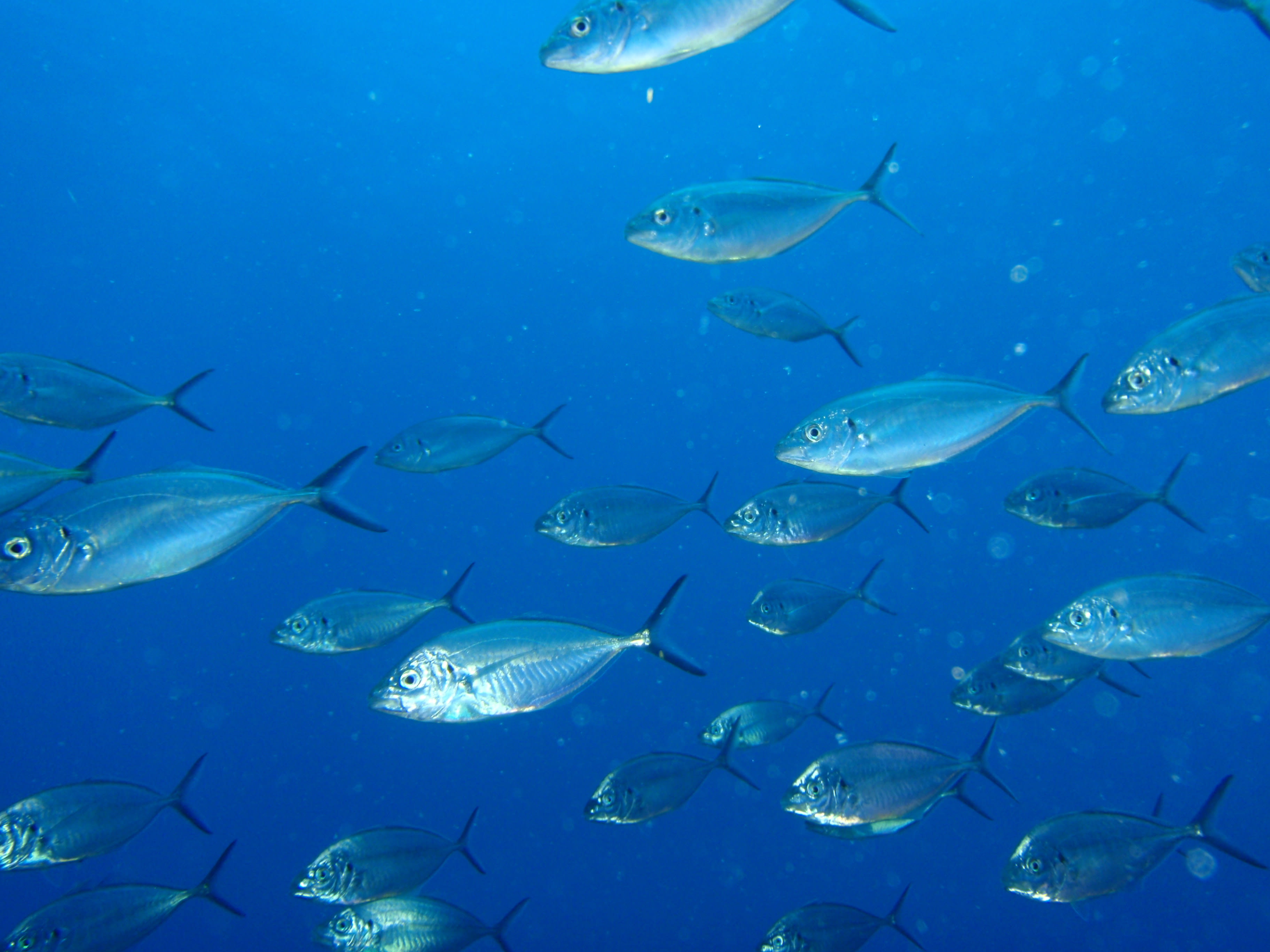
Australian silver trevally are highly schooling fish, forming large groups for protection and coordinated hunting. They are diurnal, active during the day with rapid swimming bursts to chase prey, and can exhibit territorial behavior around feeding sites. These fish are known for their agility and strength, making them challenging for anglers.
Fishing
Australian silver trevally are a popular sport fish in the coastal waters of Australia and New Zealand, offering exciting fights for anglers and contributing to conservation through license fees that fund habitat protection and stocking programs. Target them using trolling with lures, casting jigs, or bottom fishing around reefs and estuaries, focusing on depths of 10 to 200 meters over sandy or rocky substrates where they school and ambush prey. Use medium-weight tackle, such as a 7- to 9-foot rod with a 15- to 30-pound test line and a reliable reel to handle their fast, powerful runs, paired with baits like live baitfish, squid strips, or metal jigs and soft plastics that mimic their diet of smaller fish and crustaceans. The best season is summer during spawning, with peak activity in the daytime when they feed aggressively; aim for early morning or late afternoon for the highest success. These fish typically grow to 40-80 cm, with some reaching up to 1 meter and weighing around 4 pounds, and while specific IGFA records are not widely documented, their size makes them a rewarding catch. Conservation measures, such as slot limits and catch-and-release practices in certain areas, are effective tools for maintaining stable populations, as supported by angler-funded programs that protect waterways and ensure sustainable fishing for future generations.
Conservation Status
Listed as Least Concern by IUCN.