
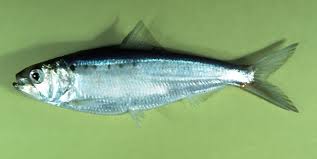
Overview
This is a silvery fish with a single dorsal fin in the middle of the back. There is a large black spot directly behind the top of the gill cover, followed by 4 27 spots, which are generally smaller than the first. Sometimes there may be a second row of spots below the first, and more rarely, a third row below the second.
Taxonomy
- Kingdom
- Animalia
- Phylum
- Chordata
- Class
- Actinopterygii
- Order
- Gadiformes
- Family
- Clupeidae
- Genus
- Alosa
- Species
- sapidissima
Habitat
American shad primarily inhabit coastal marine waters and estuaries along the Atlantic and Pacific coasts, migrating into freshwater rivers for spawning. They prefer areas with moderate currents and abundant plankton, often found in depths up to 200 meters in the ocean. These fish thrive in temperate regions, avoiding extremely cold or tropical waters.
Diet
Juvenile American shad feed on zooplankton and small invertebrates in freshwater and estuarine environments. Adults consume a variety of plankton, small fish, and shrimp while in the ocean, typically feeding during daylight hours in schools. Their feeding behavior involves filter-feeding on dense patches of prey.
Behavior
American shad are schooling fish that undertake long annual migrations from the ocean to rivers for spawning, often traveling hundreds of miles. They exhibit strong swimming capabilities and are most active during dawn and dusk, avoiding predators by staying in large groups. These fish show little territorial behavior but can be sensitive to water temperature and flow changes.
Fishing
Target American shad, a prized sport fish that supports conservation through angler license fees funding habitat restoration and stocking programs, using effective techniques like trolling, casting, or drift fishing during their spring migrations. Use light to medium tackle, such as a 7-9 foot spinning rod with a reel spooled in 10-15 lb test monofilament line, paired with a 6-8 foot leader for better control in currents. Opt for baits and lures like shad darts, small jigs, flies, or live minnows to mimic their plankton and small fish diet, ensuring lively presentations in flowing water. The prime season is spring when water temperatures reach 10-15°C during spawning runs, with dawn and dusk being the best times for active feeding in schools. Focus on rivers and estuaries along the Atlantic and Pacific coasts, such as the Susquehanna River in the East or the Columbia River in the West, where moderate currents and depths up to 200 meters in coastal areas concentrate shad populations. The IGFA all-tackle world record is 11 pounds 4 ounces, showcasing the potential of these fighters. Conservation efforts, including slot limits and catch-and-release policies in many regions, are effective management tools that sustain shad populations, preventing overfishing and supporting stable numbers as assessed by the IUCN Least Concern status.
Conservation Status
Listed as Least Concern by IUCN.